
Permitted Development


Your Right to Build
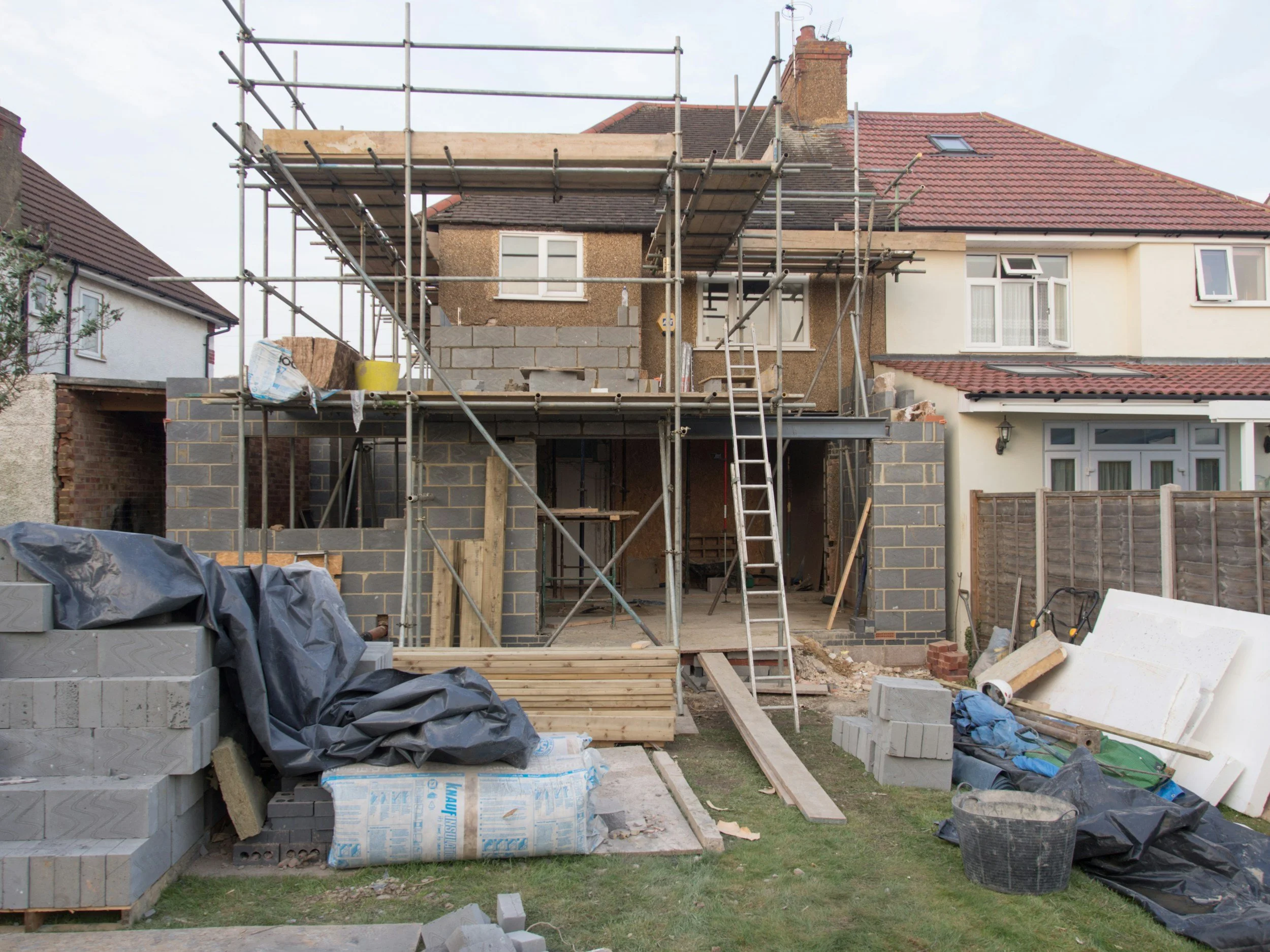
Many homeowners are unaware that they may already have the legal right to extend their home without submitting a formal Planning Application. Under 'Permitted Development' (PD) rights, the government allows for specific types of extensions and improvements to be built automatically, provided they meet strict criteria regarding size, height, and position."
The Lawful Development Certificate (LDC)
While you may technically have the right to build within these means, proceeding without official paperwork is a risk. We highly recommend applying for a Certificate of Lawfulness. This is a legal document from your local council that officially confirms your extension is Permitted Development.
This certificate is essential for:
Legal Certainty: Proof that your build was legal from day one.
Future Sales: Solicitors will require this document if you ever decide to sell your home.
Peace of Mind: Eliminating the risk of council enforcement or fines after the build is complete.
What Can You Build Under Permitted Development?
While strict rules apply, standard PD rights generally allow for:
Rear Extensions: Up to 3 or 4 meters for attached houses, and up to 4 meters for detached houses (sometimes doubled to 6m or 8m under the Prior Approval larger extension scheme).
Loft Conversions: Up to 40 cubic meters of additional roof space for terraced houses, or 50 cubic meters for detached and semi-detached houses (e.g., a standard L-shaped or rear dormer).
Outbuildings: Garden rooms, home offices, or gyms, provided they are single-story and take up less than 50% of your total garden space.
Two-Story Extensions: Allowed under very specific height, location, and boundary conditions.
The Larger Home Extension Scheme (Prior Approval)
Want to go bigger? Under the government’s Prior Approval rules, you can often double the length of a standard single-story rear extension (up to 8 meters for a detached house and 6 meters for a semi-detached or terraced house).
This requires a specific prior notification process where the council informs your immediate neighbors. We can manage this entire neighbor-consultation process and secure your approval seamlessly.
When are Permitted Development Rights Restricted?
You might not have standard PD rights if your property falls into any of these categories:
Flats or Maisonettes: PD rights only apply to single, standalone dwelling houses. Flats almost always require full planning permission.
Conservation Areas / AONB: If you live in a designated character area, rights are heavily restricted or removed entirely.
Article 4 Directions: Local councils occasionally remove PD rights from entire neighborhoods to protect the local architecture.
Listed Buildings: Any alteration to a listed building requires Listed Building Consent.
How We Help
We specialize in navigating the complex PD legislation. We will:
Assess Eligibility: We analyse your property's history to ensure your PD rights haven't been removed (e.g., by Article 4 directions).
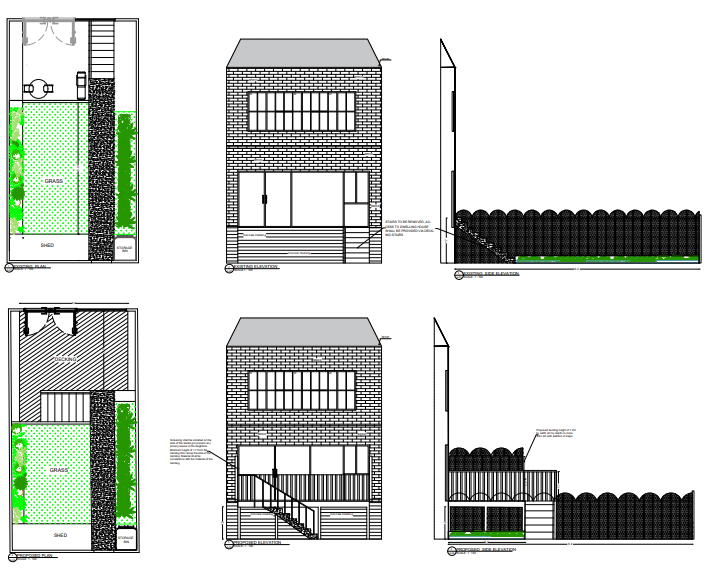
Design for Compliance: We produce the specific AutoCAD drawings required to prove your design fits within the PD 'envelope'.
Manage the Application: We handle the entire submission to the council, securing your Certificate of Lawfulness so you can build with total confidence.